By Donald McMillan, MD at Allmed
The South African healthcare system is currently facing a period of intense pressure. Between staffing shortages and a rise in medical legal claims, the gap between basic nursing education and the actual demands of patient care is a major concern. To improve patient safety and support our healthcare workers, we must focus on practical, hands-on experience and constant skill building.
Why nursing challenges matter in South Africa
Nursing errors are rarely the fault of one person. In South Africa, they are usually the result of a system under strain. Nurses are dealing with overcrowded wards, long shifts, and a very high number of patients with complex conditions like HIV and TB. When staff are exhausted and overworked, the risk of making a mistake increases.
These errors have a massive impact. For patients and their families, it leads to a loss of trust. For hospitals, it leads to expensive legal battles. South Africa is currently dealing with billions of Rands in medical claims, but this is money that should be spent on better equipment and hiring more people. If we want a stronger healthcare system, we must reduce the risks that lead to these errors in the first place.
Hands-on training makes the difference
Nursing education has traditionally leaned heavily on theoretical learning, but knowing the theory of a procedure is very different from doing it in a busy hospital. Practical, skills-based training is what helps a nurse transition safely from the classroom to the ward.
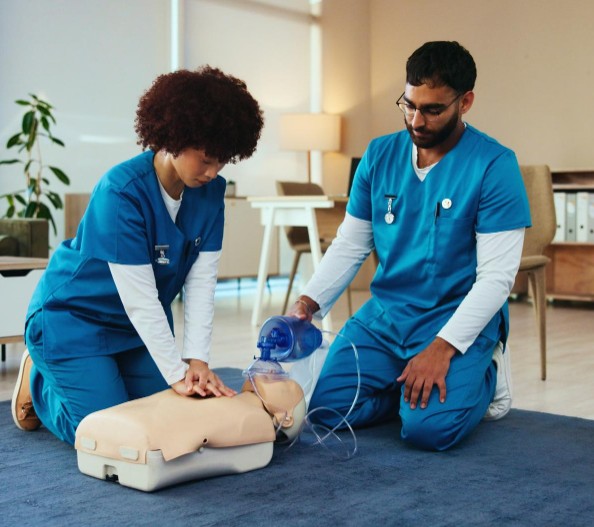
One of the most effective tools for this is simulation-based training. This involves using specialised training rooms that look like real hospital wards, complete with advanced mannequins that can mimic medical emergencies. Here, nurses can practice critical skills like inserting drips, reading ECGs, or managing emergency care in a safe environment. This allows them to build confidence and “muscle memory” before they ever treat a real patient. This type of training is essential for preparing nurses for the high-pressure reality of South African clinics.
Continuous professional development builds confidence
Medicine is always changing. New treatment guidelines, technologies, and medicines are introduced all the time, changing the way care is delivered. Continuous Professional Development (CPD) helps nurses keep pace with these changes, ensuring their skills remain relevant, their knowledge up to date, and their patients receive the best possible care throughout every stage of their careers.
However, CPD is about more than just following rules; it is about building professional confidence. When nurses have the chance to learn new things and specialise in areas like intensive care or pharmacology, they feel more capable and valued. In a country where many nurses choose to work overseas, providing these opportunities for growth at home is a great way to keep our best talent in South Africa.
A systemic approach for better care
Enhancing the quality of nursing care in South Africa requires a coordinated, multi-stakeholder approach. Training institutions, hospital administrators, and regulatory bodies must collaborate to create an ecosystem that supports the nurse at every career stage. This systemic approach should focus on three specific areas:
- Integrated mentorship: Establishing formal programmes where expert clinicians provide real-time bedside teaching to new graduates.
- Accredited upskilling: Providing accessible pathways for nurses to specialise in critical areas such as ICU, neonatal care, and oncology.
- Technological alignment: Utilising digital tools to track competency levels and identify specific areas where additional training is required.
By making practical training and ongoing learning a priority, we do more than just prevent mistakes. We empower our nurses to be the skilled professionals they want to be. When nurses are competent and confident, they provide better care, which helps rebuild public trust and makes the South African healthcare system stronger for everyone.